
 Connect with Kick
 Connect with Google
The New Destination for Institutional Investors: CME Bitcoin is evolving from an alternative asset into a core component of Wall Street dynamics.
This shift is consolidating price discovery within regulated futures markets, increasing their influence over the broader crypto ecosystem.
Uninterrupted Access and Risk Management CME's move eliminates one of the last major advantages held by native crypto exchanges: continuous market access.
Traditional hedge fund managers prefer trading through familiar instruments without needing to overhaul their existing technology stacks.
Experts note that institutions are increasingly viewing platforms with regulatory clarity and established clearinghouses as the default option, rather than taking on the counterparty risk of unfamiliar platforms.
The End of "CME Gaps" Until now, the suspension of trading on CME during weekends created price differences known as "CME gaps." With the introduction of continuous trading, this limitation will disappear.
This development will narrow arbitrage opportunities between spot ETFs and futures, while reducing the need for large investors to hold positions on offshore crypto exchanges solely for weekend access.
Crypto exchange executives are also acknowledging this shift.
OKX President Hong Fang predicts that derivative volumes could one day surpass spot volumes, with U.S.
regulated markets becoming the primary anchor for global price discovery.
Transformation into a Macroeconomic Instrument Bitcoin is increasingly priced as a macro instrument that moves in tandem with stocks and commodities.
As institutional capital grows and liquidity concentrates within regulated clearinghouses, the infrastructure surrounding the asset is becoming more aligned with traditional finance.
Despite Bitcoin's original ideal of decentralization, institutional interest is inevitably pushing the asset toward a more centralized and regulated structure.
Quickly log in to access powerful streamer tools and Video Chat Rooms.
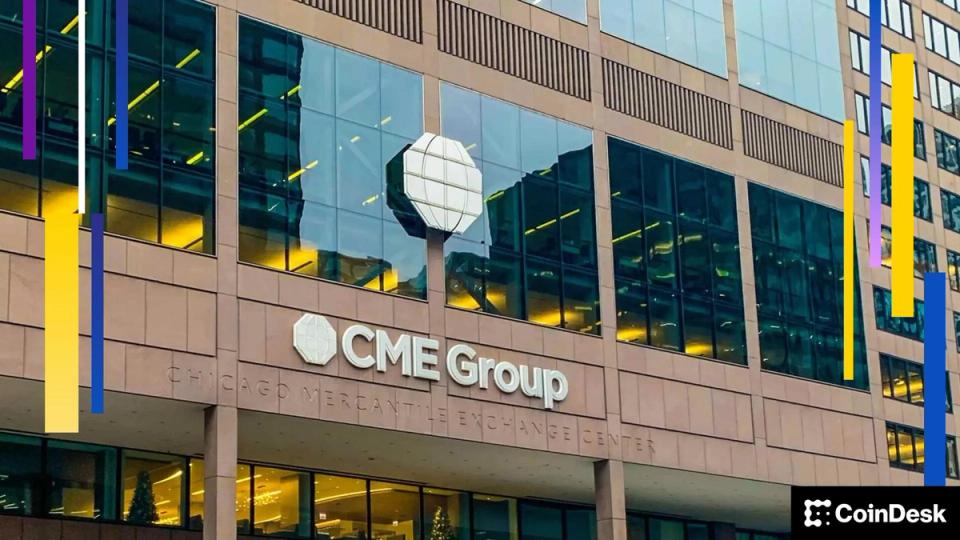
A New Era in Bitcoin Price Discovery: Institutional Interest Shifts to CME Group
CME Group's move toward 24/7 derivative trading is accelerating the transition of institutional investors from native crypto exchanges to regulated financial platforms.
Sources
- CoinDesk · baglanti