
Security-Oriented Transformation in Recruitment The Turkish business world is undergoing a fundamental shift in recruitment procedures.
Drug screenings, which were previously only required in specific fields such as security and heavy industry, are now becoming a core component of corporate risk management across many sectors.
These screenings, now an integral part of health reports, are seen as a result of companies' efforts to raise occupational safety standards.
Mandatory Implementation in Strategic Sectors The most intensive application of this practice is seen in the energy, logistics, defense, and chemical sectors.
It is reported that Tüpraş, one of Turkey's strategic organizations, requires these tests from all candidates, including interns.
Similarly, TCDD (Turkish State Railways) and transportation units affiliated with metropolitan municipalities are tightening their inspections.
In defense industry giants such as ASELSAN, HAVELSAN, ROKETSAN, and TUSAŞ, a more systematic structure has been observed for both new hires and the monitoring of existing personnel.
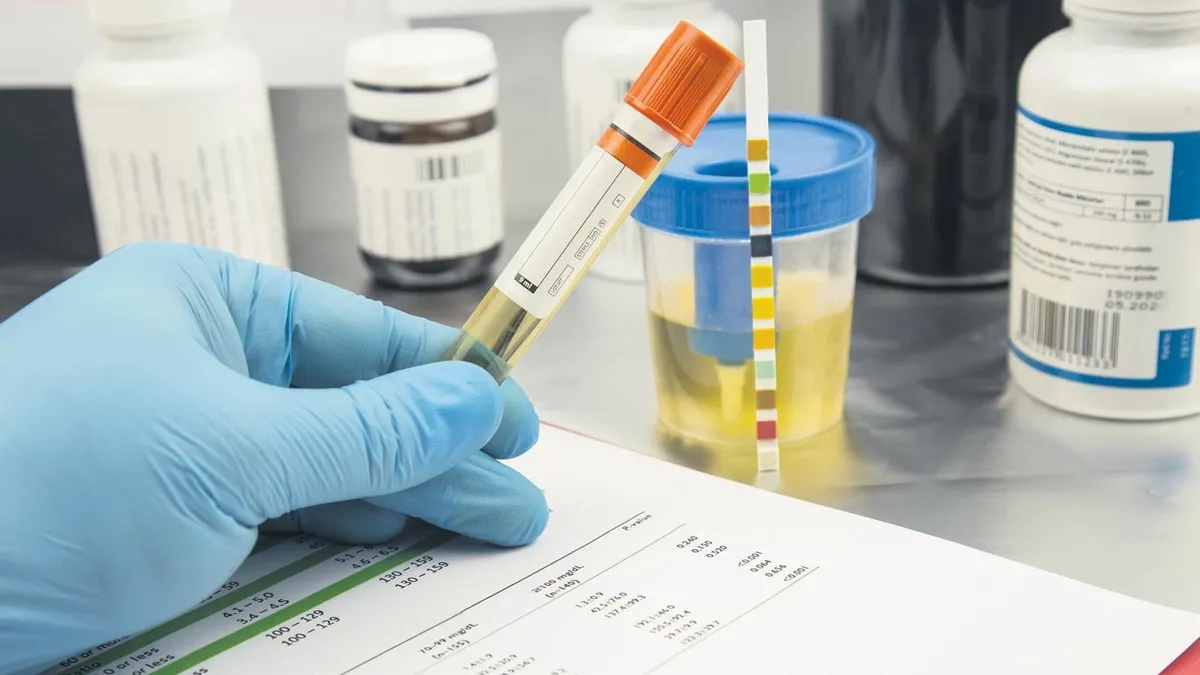
Record Increase in Laboratory Demand This surge in corporate demand has led to significant congestion in health laboratories.
Industry representatives state that the demand for drug screening tests has increased 6-7 times recently.
In Istanbul alone, more than 20,000 test requests are met daily, and laboratories are expanding their service capacities with corporate packages and mobile sample collection teams.
While the average cost of a test is around 2,200 TL, various centers support the process with corporate discounts.
Legal Framework and Occupational Health and Safety Experts attribute the widespread adoption of these tests to occupational safety and public health requirements.
These controls are of great importance, particularly for operator positions where distraction can pose vital risks, and in the IT sector where data security is critical.
From a legal perspective, while employers have the right to request these tests, it is emphasized as a legal necessity that the practice must be compatible with the nature of the job, the candidate's explicit consent must be obtained, and the confidentiality of personal data must be protected.
Drug Testing Era in Turkish Recruitment: New Standards for Strategic Sectors
Critical sectors in Turkey, including energy, defense, and transportation, are increasingly making drug testing a mandatory part of recruitment. This shift has led to a sevenfold increase in laboratory demand as companies integrate these screenings into corporate risk management.
Sources
- Sabah · baglanti