
Rise of Cryptocurrencies Under the pressure of U.S.
sanctions and ongoing conflicts, Iranian exporters are increasingly turning to digital assets to conduct cross‑border transactions.
Role of Bitcoin and USDT Exporters prefer Bitcoin for its rapid transfer capability and USDT for its stability, as the stablecoin is pegged to the U.S.
dollar and offers a reliable medium of exchange.
Central Bank’s Flexible Policy The Central Bank of Iran has adopted a more lenient stance toward crypto usage in foreign trade.
It imposes fewer restrictions on cross‑border transactions carried out with digital currencies, thereby encouraging alternative payment methods.
Economic and Geopolitical Goals The administration aims to bring back more than $100 billion of capital into the country.
Expanding crypto use in international trade is intended to streamline the return of export revenues.
This approach echoes Russia’s post‑Ukraine‑war strategy of leveraging cryptocurrencies.
Future Outlook Wider adoption of crypto could spark new debates over sanctions and international regulations.
The Central Bank’s forthcoming policy decisions and potential new regulations on Bitcoin and USDT will shape Iran’s crypto trajectory and its economic strategy.
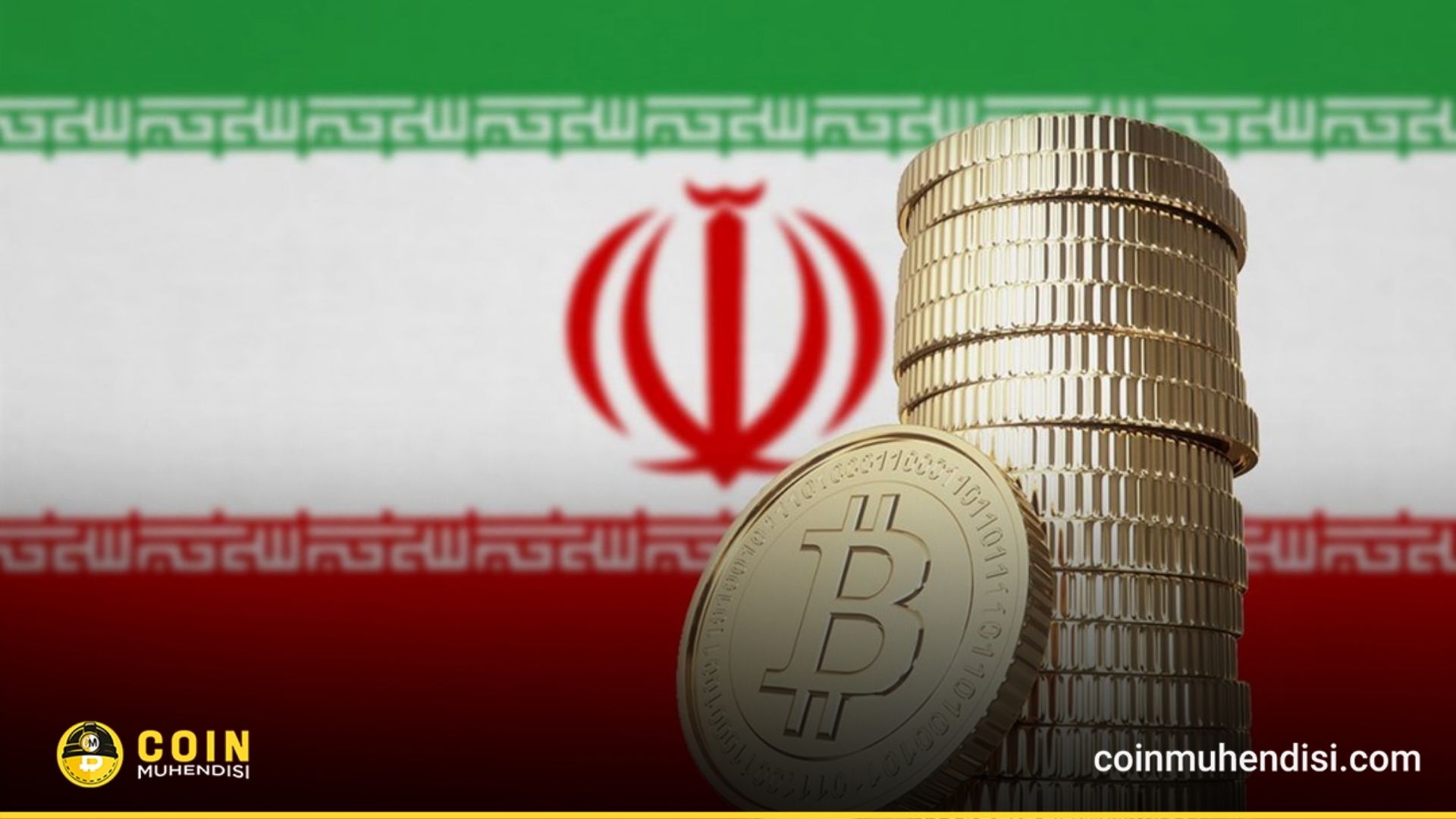
Iran’s Crypto Strategy to Counter Sanctions with Growing Role in Cross-Border Payments
Facing ongoing U.S. sanctions, Iran is turning to cryptocurrencies like Bitcoin and USDT to facilitate international trade, easing access to the global financial system for exporters.
Sources
- Coin Mühendisi · baglanti