
Region's Second Largest Reserve Lebanon is preparing to take a strategic step to overcome the ongoing economic crisis and the collapse of its financial system, which has persisted since 2019.
Government and financial circles have begun discussing the liquidation of a portion of the massive gold reserves held by the Central Bank of Lebanon (BDL).
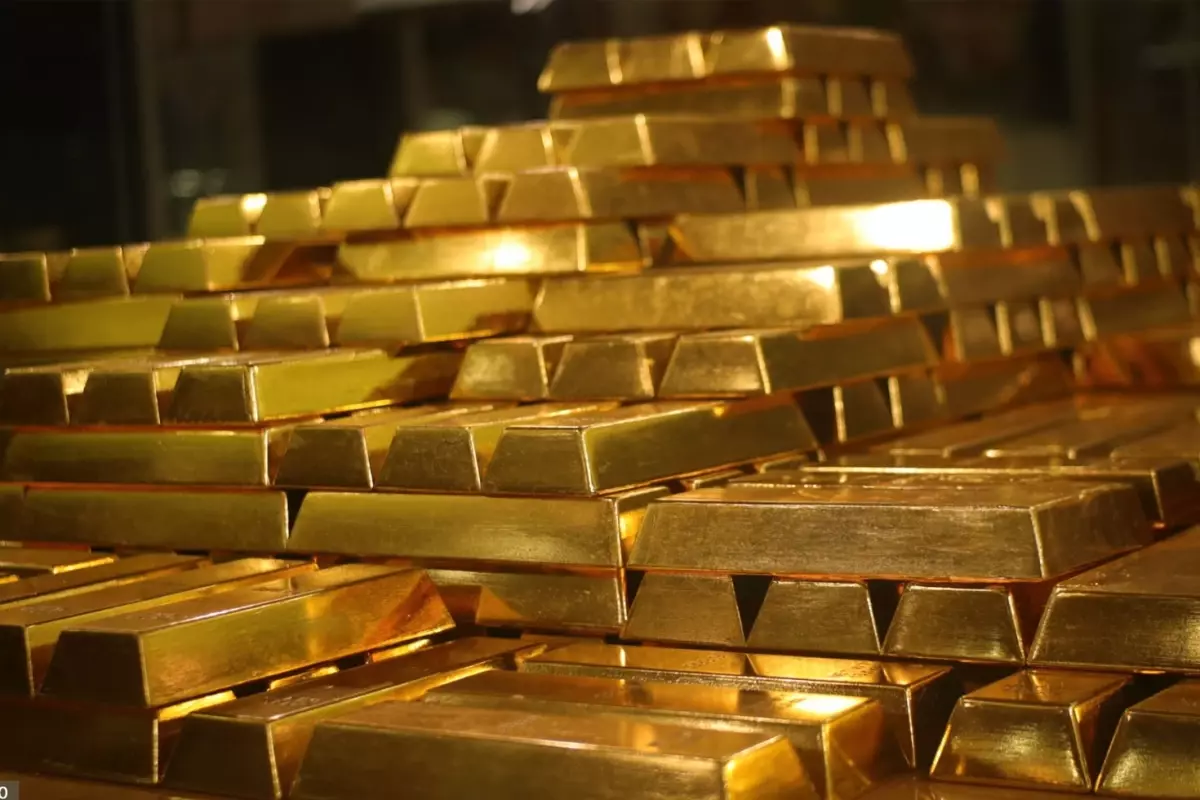
The Central Bank's vaults hold more than 280 tons of gold.
With the rise in global gold prices, the total value of these assets is estimated to have reached approximately $45 billion.
This amount positions Lebanon as the second-largest holder of gold reserves in the Middle East, following Saudi Arabia.
Legal Hurdles and Parliamentary Approval There is a strict legal barrier to the sale of gold reserves that has been in effect since 1986.
According to current law, it is not possible to dispose of the reserves without specific approval from parliament.
Any potential decision to sell is expected to be evaluated within the framework of financial restructuring negotiations conducted with the International Monetary Fund (IMF).
The Toll of Financial Collapse The Lebanese pound has lost more than 90 percent of its value over the last five years, while a large portion of deposits in the banking system remains frozen.
The World Bank has described the financial system as a "Ponzi scheme," reporting total losses of around $70 billion.
While some economic experts argue that selling gold could alleviate the effects of the crisis, others remain cautious, emphasizing that these strategic assets must be protected.
Experts warn that a sale without implementing structural reforms would only provide temporary relief.
Lebanon Considers Utilizing 280-Ton Gold Reserve to Combat Economic Crisis
Lebanon is exploring the possibility of selling a portion of its 280-ton gold reserve, valued at approximately $45 billion, to address the severe financial collapse that has gripped the nation since 2019.
Sources
- Haberler · baglanti