
Reaction to Supreme Court Ruling U.S.
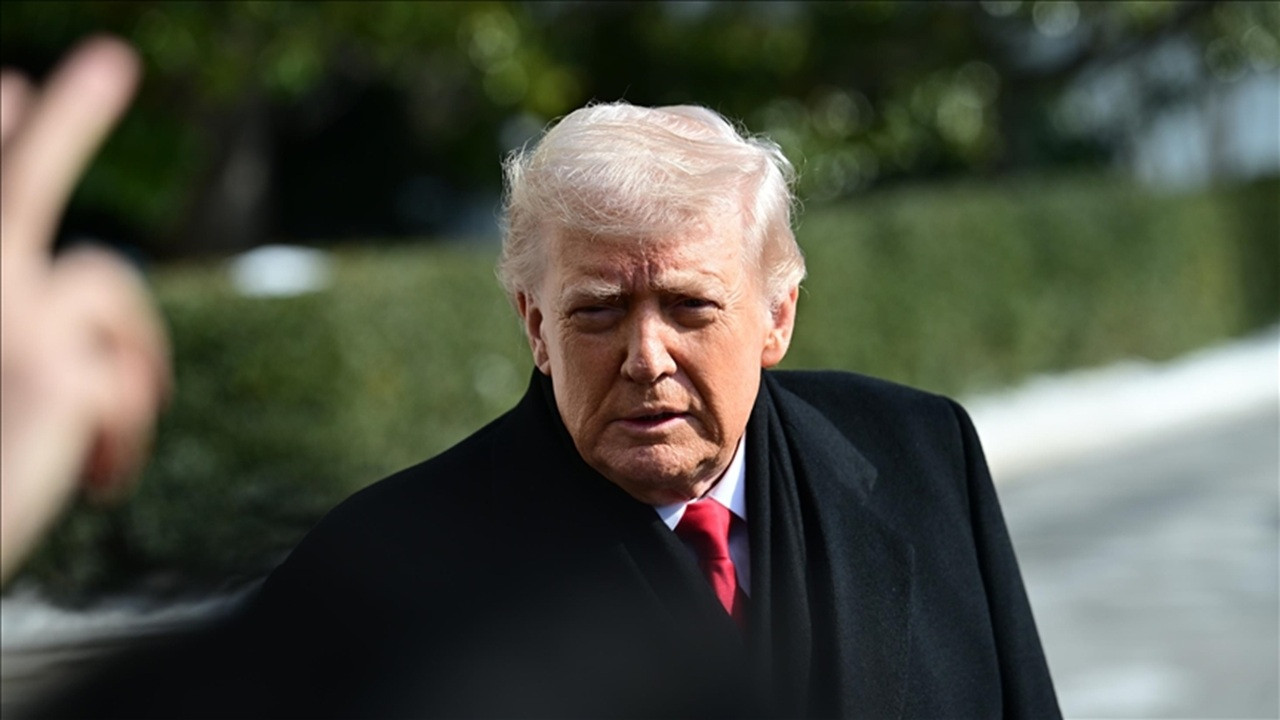
President Donald Trump sharply criticized the Supreme Court's restrictive stance on his trade policies during a press conference at the White House.
The court's 6-3 decision, in which conservative judges appointed by Trump also voted against him, has shaken the legal foundation of his current economic strategies.
Trump specifically targeted Justices Neil Gorsuch and Amy Coney Barrett, whom he nominated, describing the ruling as a "disgrace." New 10% Global Tariff Regulation Stating that he would not back down despite the court's decision, Trump announced a new 10% global customs tariff to be added to existing duties to protect the American manufacturing sector.
This new regulation will be implemented under Section 122 of the Trade Act of 1974.
Under this legal framework, the tariffs will initially remain in effect for 150 days, with any extension requiring congressional approval.
Regarding potential disagreements with Congress, Trump emphasized his determination to use executive powers, stating, "We have the right to do what we want." Legal Process and Past Decisions The Trump administration had previously applied various tariffs to trade partners such as China, Canada, and Mexico under the International Emergency Economic Powers Act (IEEPA).
However, these tariffs were challenged in court by private companies and states.
The U.S.
Court of International Trade ruled on May 28, 2025, that these reciprocity-based tariffs exceeded presidential authority.
Following the appeals process, the Supreme Court heard the parties on November 5, 2025, and confirmed the view that the tariffs exceeded legal limits.
Economic Expectations and Uncertainty Economists warn that this new move could put pressure on global supply chains and increase volatility in U.S.
relations with trade partners.
Market experts point out that a potential political deadlock in Congress after the 150-day period could deepen uncertainty in foreign trade.
Trump stated that all existing tariffs under Sections 232 and 301 would continue to be implemented at full capacity.
Trump Responds to Supreme Court Ruling with New 10% Global Tariff
U.S. President Donald Trump has announced a new 10% global customs tariff to protect American industry following a Supreme Court decision that struck down previous trade policies.
Sources
- Gazete Oksijen · baglanti