
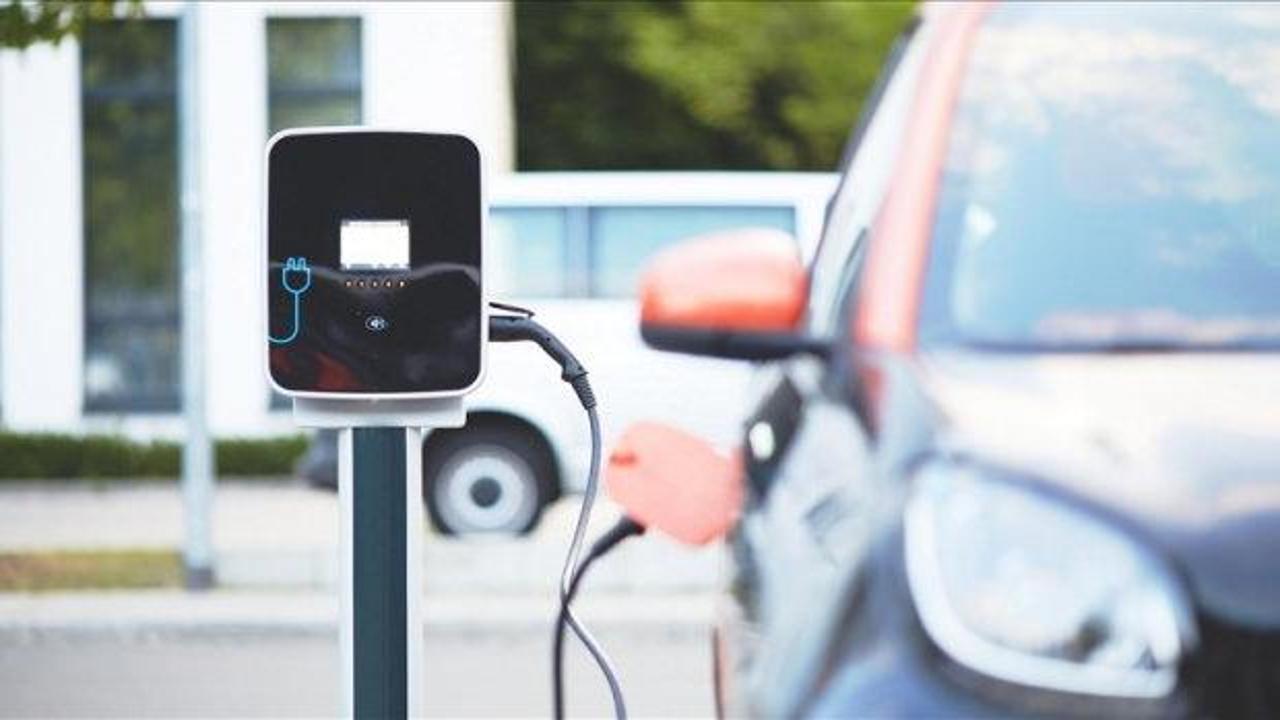
New Regulation for Charging Infrastructure from EPDK The Energy Market Regulatory Authority (EPDK) has implemented comprehensive changes to the Charging Service Regulation to increase competition in the electric vehicle charging market and optimize infrastructure efficiency.
The new regulation offers a more transparent pricing model for users while providing operational flexibility for operators.
The primary goal of this step is to simplify complex tariff structures, allowing consumers to compare prices more easily.
Single Price and Credit Card Requirement Under the regulation, operators will be required to set a single price tariff for AC (slow charging) and DC (fast charging) units.
Additionally, to increase user accessibility, it will be mandatory to offer credit card payment options at all DC charging units located on highways and state roads starting July 1, 2026.
EPDK also reserves the right to intervene and implement a price ceiling if market balance is disrupted.
Efficiency to Increase with Dynamic Pricing Berkan Bayram, President of the Electric and Hybrid Vehicles Association of Turkey (TEHAD), evaluated the effects of flexible pricing on the sector.
It was emphasized that the development of digital identity-based payment systems, where vehicles are automatically recognized when connected to a charging unit, will make Turkey a more competitive market on a global scale.
New Regulation for EV Charging Stations from EPDK: Credit Card and Single Price Mandate
The Energy Market Regulatory Authority (EPDK) has issued a new regulation to enhance transparency in electric vehicle charging services, mandating credit card payments by 2026 and a single price tariff for AC and DC units.
Sources
- Haber 7 · baglanti