
From Apprenticeship to Industry Leadership Sadettin Boz, who began his journey in 1991 as an apprentice in a leather tannery in Isparta, now operates a 2,000-square-meter factory that produces 70% of Turkey's shoe lining.
Starting in a small workshop, Boz's determination has transformed him into one of the country's largest suppliers.
Global Supply and Production Capacity Due to the decrease in domestic goat skin supply, the business sources raw materials from countries such as Kazakhstan, Uzbekistan, Mongolia, Iraq, and Iran.
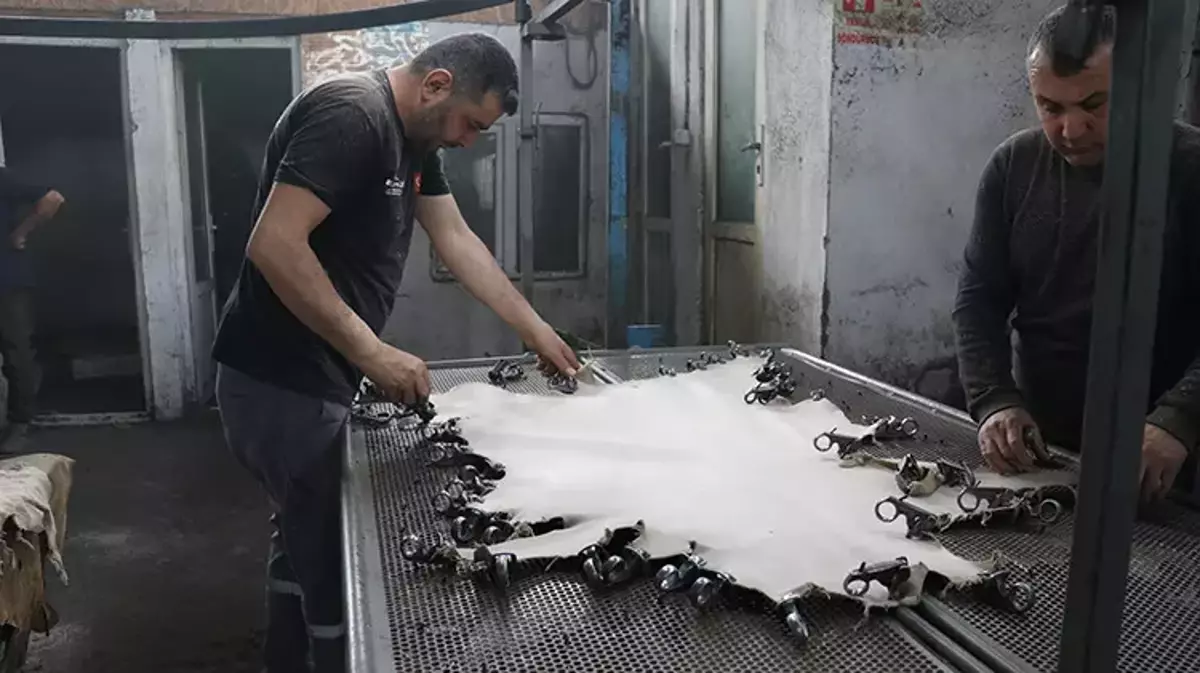
With a team of 22 employees, the facility processes an average of 300,000 to 350,000 goat skins annually.
The skins undergo a meticulous process of dyeing and drying before being delivered to shoe manufacturers.
Why Goat Skin for Foot Health?
Boz emphasizes that goat skin is the preferred choice for shoe linings due to its durable and breathable nature.
While cattle leather is typically used for the exterior of shoes and lambskin for jackets, goat skin is utilized almost exclusively (99%) for linings because of its healthy, breathable properties.
These high-quality linings produced in Isparta reach manufacturers across Turkey through traders, eventually finding their place in global retail displays.
From Apprentice to Industry Leader: The Success Story Meeting 70% of Turkey's Shoe Lining Demand
Sadettin Boz, who began his career as a leather apprentice in 1991, now operates a factory in Isparta that supplies 70% of the shoe lining used across Turkey.
Sources
- Gazete Vatan · baglanti