
Price Volatility in Global Markets Global oil markets are experiencing significant volatility amid escalating geopolitical risks in the Middle East.
Brent crude has stabilized around $72 per barrel following a gain of over 6% in the last two trading sessions, while U.S.
West Texas Intermediate (WTI) continues to trade near the $67 mark.
Trump's Negotiation Ultimatum to Iran U.S.
President Donald Trump announced a 10 to 15-day window for negotiations aimed at establishing a new agreement regarding Iran's nuclear program.
This statement has intensified concerns over potential disruptions to global oil supplies.
Simultaneously, the United States has initiated its largest military deployment to the region since the 2003 invasion of Iraq, a move cited as a primary factor in the rising tensions.
Strategic Risks and Concerns Over the Strait of Hormuz According to reports from The Wall Street Journal, the Trump administration is keeping the option of limited military intervention on the table to bring Tehran to the negotiating table.
Robert Rennie, Head of Commodity Research at Westpac Banking Corp., evaluates these moves as part of a "maximum pressure" strategy rather than a precursor to direct conflict.
Iran, which produces over 3 million barrels per day—accounting for approximately 3% of global supply—exports the majority of its oil to China.
However, market experts emphasize that the most significant risk remains the potential closure of the Strait of Hormuz, a critical transit point in the Persian Gulf.
Any blockage in this region could lead to unpredictable fluctuations in global energy prices.
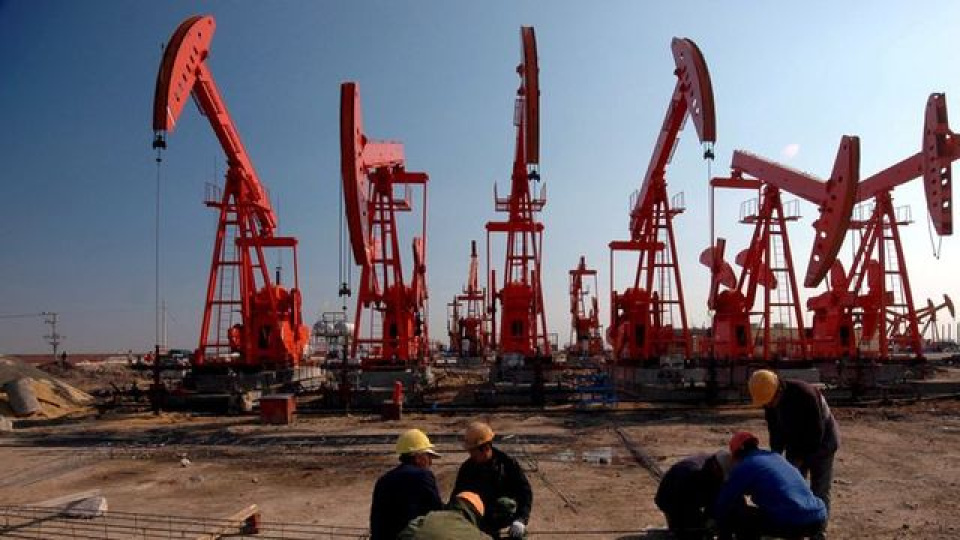
Trump-Iran Tensions in the Middle East: Oil Prices Hit 6-Month High
U.S. President Trump's negotiation ultimatum to Iran and increased regional military activity have pushed Brent crude to $72 per barrel, marking a six-month peak.
Sources
- Bloomberght · baglanti