
"Financing Shield" Support for Manufacturing Minister of Labor and Social Security Vedat Işıkhan announced a new support package during the signing ceremony of the "Manufacturing Industry Financing and Employment Protection Program," organized in cooperation with the Ministry of Industry and Technology and KOSGEB.
Minister Işıkhan stated that credit support, dubbed the "Financing Shield," will be provided to SMEs in the manufacturing sector using resources from the Unemployment Insurance Fund.
Under the program, businesses will be offered loans with maturities of up to 36 months, including a 6-month grace period for principal payments.
The regulation was implemented following a Presidential decree published in the Official Gazette on July 14, 2025.
With this decision, the portion of the Unemployment Insurance Fund's income that can be used for employment-enhancing and protective measures was increased from 30 percent to 50 percent.
The aim is to utilize fund resources more extensively in financing labor market services.
Labor Organizations Criticize Resource Allocation This shift in the fund's purpose has met with criticism from labor organizations and economists.
Critics argue that directing resources created by workers' premiums toward employers contradicts the principles of a social state.
Arzu Çerkezoğlu, President of the Confederation of Progressive Trade Unions of Turkey (DİSK), stated that the share allocated to employers from the fund has risen from 20.3 percent to 49.2 percent over the last decade.
In contrast, the share of unemployment payments has decreased from 37.4 percent to 31.7 percent.
Union representatives highlighted that a large portion of the unemployed cannot benefit from the fund.
They emphasized the need to ease eligibility requirements and prioritize the fund's use for workers.
Economists also warned that transforming the fund into an "employer support fund" carries long-term economic risks.
51 Billion TL Credit Support for Manufacturing Industry from Unemployment Insurance Fund
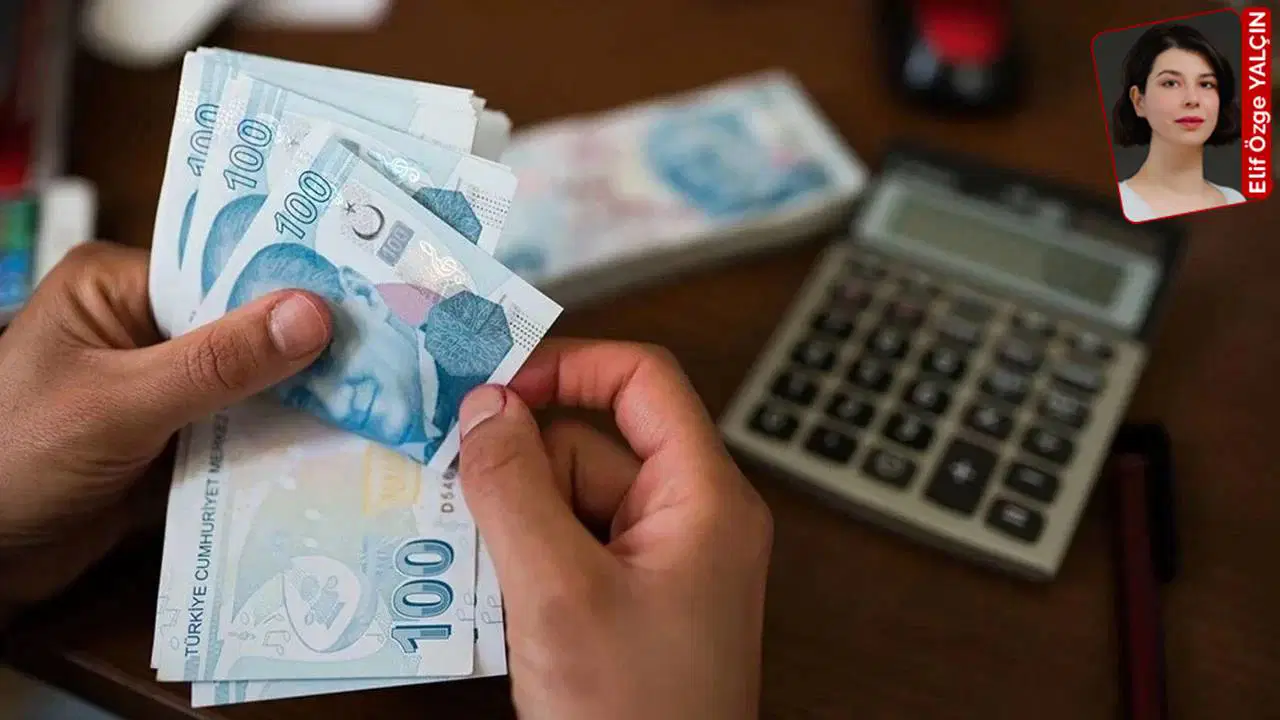
Minister of Labor and Social Security Vedat Işıkhan announced a 51 billion TL credit support package for SMEs in the manufacturing sector, funded by the Unemployment Insurance Fund, drawing criticism from labor unions.
Sources
- Cumhuriyet · baglanti