
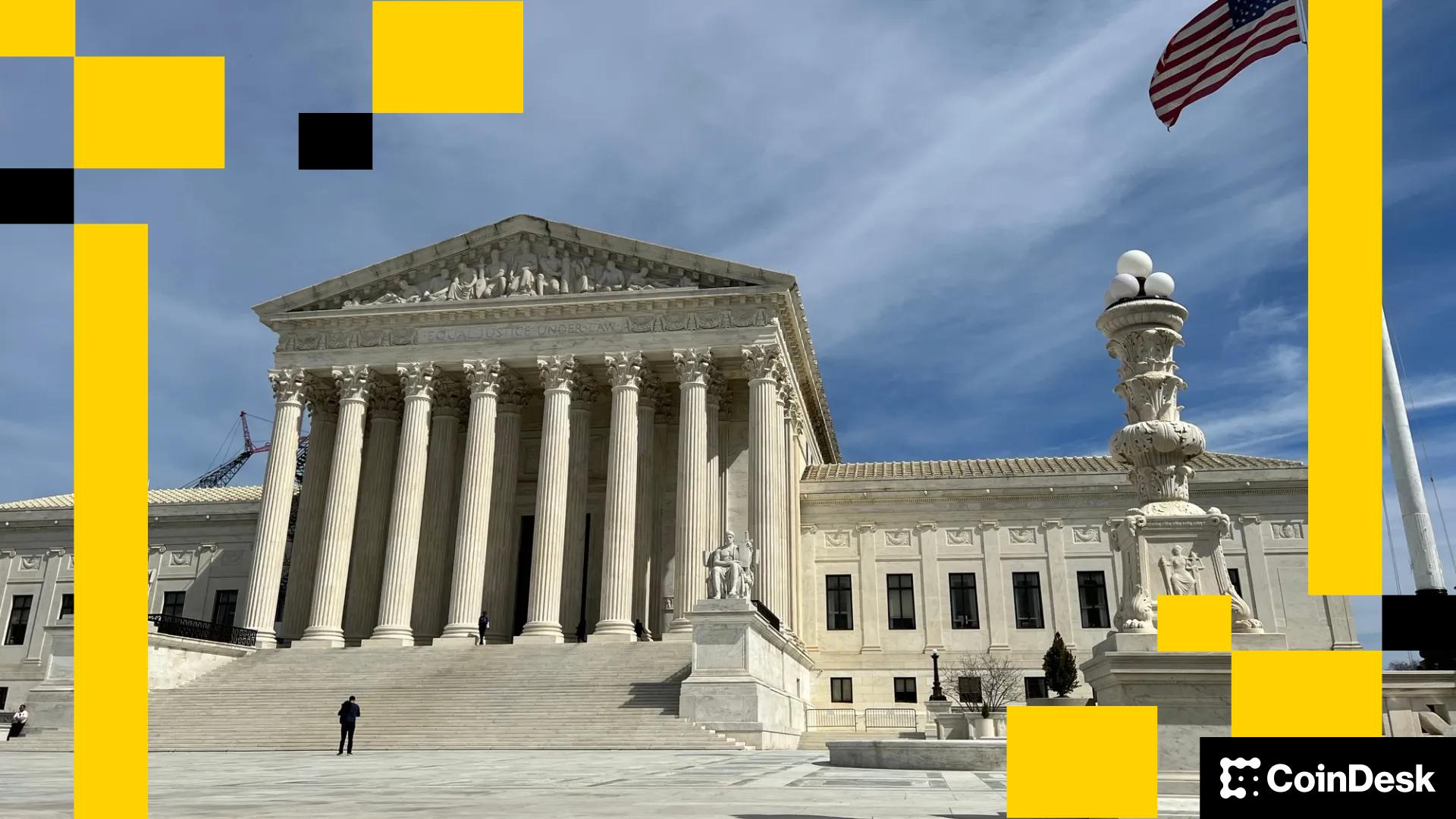
Supreme Court Ruling and Political Implications The US Supreme Court has invalidated customs tariffs implemented by President Donald Trump under the International Emergency Economic Powers Act (IEEPA) in a 6-3 ruling.
While the decision did not cause immediate price volatility in cryptocurrency markets, it has the potential to shift the political agenda in Washington, endangering long-awaited regulatory frameworks for the sector.
President Trump described the court's decision as a "deeply disappointing" development and stated that he would utilize other executive powers to maintain his trade policies.
Crypto Legislative Timeline at Risk The primary risk for the crypto industry is seen as this legal dispute consuming the US Senate's limited floor time.
Industry representatives have been pushing for the passage of the Digital Asset Market Clarity Act, which aims to regulate the structure of the US crypto market.
However, the prolonged tariff debates in the Senate are narrowing the window required to vote on this critical legislation.
Republican Senator Bernie Moreno criticized the court's decision, arguing that it makes the fight against unfair trade practices more difficult.
Economic Impact and the Election Process According to Tax Foundation data, the tariffs imposed an additional cost of $1,000 per household last year and approximately $1,300 this year.
Economists at the Cato Institute warn that the possibility of refunding billions of dollars in collected customs duties could create a complex and unfair burden for small importers.
The consequences of the tariff dispute are expected to be a prominent issue in the upcoming elections.
If Congress does not approve the market structure legislation by summer, the future of crypto policy will depend on election results and the balance of power in the House and Senate.
US Supreme Court Tariff Ruling Could Delay Crypto Regulations
The US Supreme Court's decision to strike down certain customs tariffs risks delaying critical crypto asset market regulations as Washington's legislative agenda becomes increasingly crowded.
Sources
- CoinDesk · baglanti