
Emphasis on Constitutional Authority The US Supreme Court has issued a critical ruling restricting President Donald Trump’s use of customs duties as a policy tool.
In the decision text published by the court, it was explicitly stated that the authority to impose taxes and tariffs constitutionally resides with Congress, rather than the executive branch.
This ruling legally narrows the Trump administration's room for maneuver regarding trade policies.
Trump's Harsh Reaction to Court Members President Donald Trump described the court's annulment decision as a "disappointment" during a press briefing at the White House.
Criticizing the members of the court in strong terms, Trump stated: "I am ashamed that some members of the court did not have the courage to do what is right for our country.
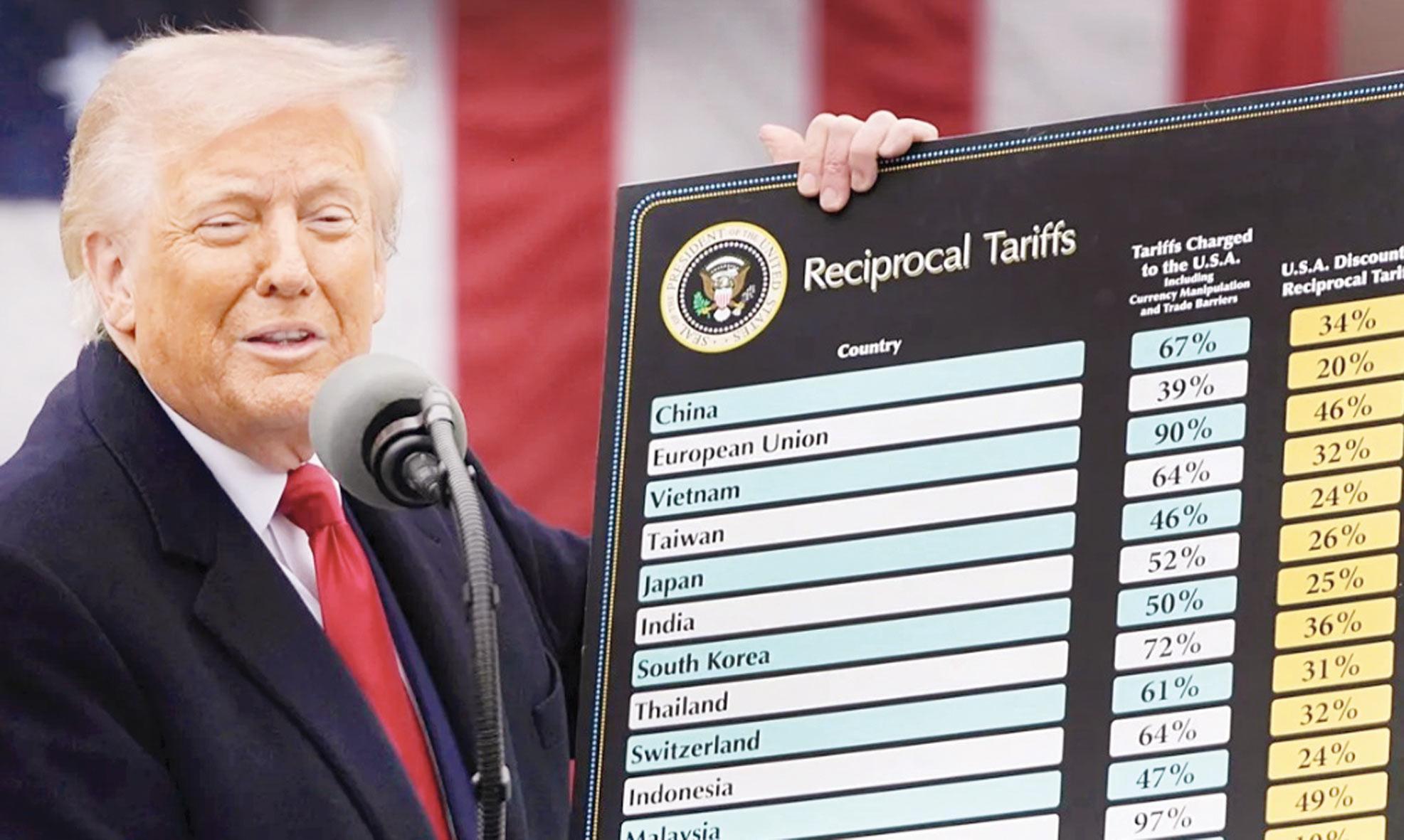
Foreign countries are very happy right now, but this situation will not last long." New Tariff Executive Order on the Agenda Maintaining his determination regarding trade relations, Trump continued to argue that he possesses the power to cut trade with any country and apply economic sanctions.
Accusing the court of being under the influence of foreign interests, Trump indicated he would persist in his customs duty policies.
Claiming to have stronger methods regarding trade tariffs, Trump announced that he would sign a new executive order to implement a 10% customs duty on all countries.
US Supreme Court Overturns Trump's Tariff Authority
The US Supreme Court has ruled that the power to set customs duties constitutionally belongs to Congress, limiting President Trump's trade policy powers. In response, Trump criticized the court and announced plans for a new 10% tariff executive order.
Sources
- Bigpara · baglanti