
EPDK Strengthens Consumer Rights The Energy Market Regulatory Authority (EPDK) has implemented a new regulation governing natural gas distribution, subscription, and billing processes, following its publication in the Official Gazette.
The new rules aim to protect consumer rights and increase transparency across various services, from connection fees to emergency hotlines.
Installment Options and Refund Policies Under the new regulation, the subscriber connection fee will be collected only once for each address.
If the construction of the service line has not yet commenced, the fee must be refunded within five business days upon the applicant's request.
Additionally, consumers can now pay connection fees in up to six equal installments via credit card, with any resulting financing costs excluded from consumer tariffs.
Service Standards and Gas Supply Timelines The regulation mandates that service lines should typically be completed within 30 days of the connection fee payment.
This period can be extended to a maximum of 90 days with the applicant's consent.
If gas supply cannot be provided within the specified timeframe, the connection fee will be refunded.
For new subscriptions, gas supply must be initiated within four business days after the contract is signed.
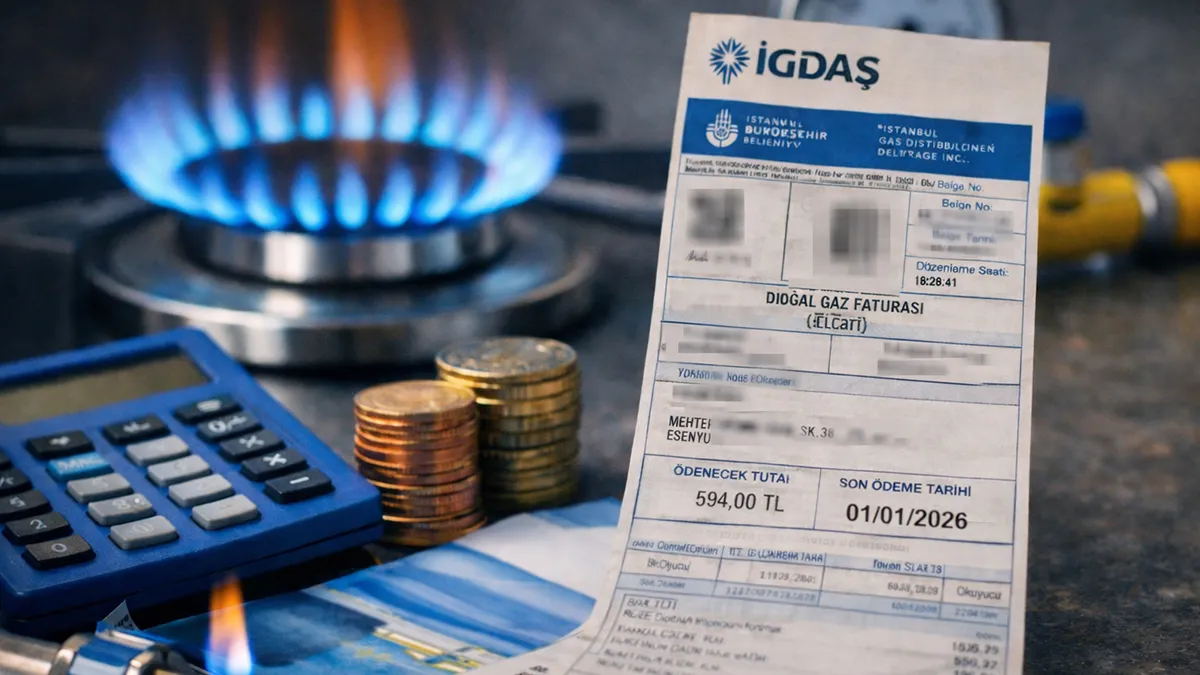
Billing Flexibility and Security Deposit Exemptions Natural gas bills must now be delivered to consumers at least 10 days before the payment deadline.
In cases where meter readings are delayed, the payment period can be extended up to 25 days, though it can never be less than five business days.
The regulation also grants security deposit exemptions to users with prepaid meters, places of worship, and households receiving social assistance.
Furthermore, natural gas emergency hotlines are now required to be answered by the third ring at the latest.
New Natural Gas Regulation from EPDK: Installment Options and Security Deposit Exemptions
The Energy Market Regulatory Authority (EPDK) has updated natural gas subscription and billing rules, introducing installment options for connection fees and exempting low-income households from security deposits.
Sources
- Sabah · baglanti